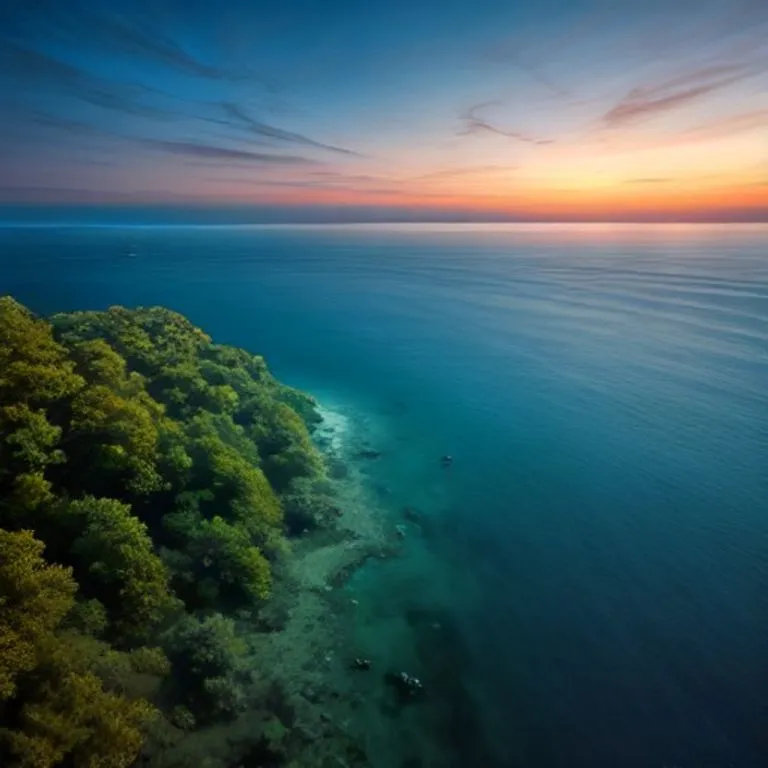
Hello fellow travelers! When talking about Raja Ampat, what always comes to mind is an underwater paradise with the most incredible biodiversity in the world. But did you know that behind its beauty, Raja Ampat is also actively implementing sustainable tourism concepts? It's not just about protecting coral reefs, but also empowering local communities. Curious? Let's dive deep into it!
What Is Sustainable Tourism?
Sustainable tourism, simply put, is tourism that takes into account the long-term impact on the environment, society, and economy. So we can enjoy nature's beauty without destroying it, and local communities thrive as well. In Raja Ampat, this concept isn't just talk—it's being seriously implemented by the government, tour operators, and local communities.
House Reef: A Hidden Paradise Right in Front of Your Stay
Imagine waking up in the morning, jumping straight into the water from your accommodation, and being greeted by stunning coral gardens. That's what a house reef is! In Raja Ampat, almost every resort and homestay has its own house reef where you can snorkel or dive anytime without needing to hop on a boat.
The Magic of House Reefs in Raja Ampat
Each house reef has its own unique character. Some serve as nesting grounds for sea turtles, some are adorned with tiny colorful fish, and others feature coral formations that look like hanging gardens. For example, the house reefs at Piaynemo and Kri Island are absolutely legendary. You can observe marine life up close—from clownfish to reef sharks—without having to travel far.
Keeping Coral Reefs Healthy
With house reefs in place, travelers naturally become more aware of protecting the environment. Resorts typically have strict rules: no touching the coral, use reef-safe sunscreen, and no littering. Some accommodations even run coral planting programs or coral transplantation to restore damaged areas. So every time you stay, you're playing a part in protecting this paradise.
Local Community Involvement in Sustainable Tourism
Sustainable tourism in Raja Ampat wouldn't work if local residents were just bystanders. In fact, local people are the main players!
Community-Based Ecotourism
Many villages in Raja Ampat manage their own homestays and tour packages. Take Waisai Homestay or the Arborek Festival, for instance. Travelers are invited to stay in local homes, learn about local culture, and enjoy nature in a more authentic way. The profits go directly to the homestay-owning families. So your money isn't just lining the pockets of foreign operators—it's also sustaining local livelihoods.
Empowering the Local Economy
It's not just homestays—many locals also work as certified tour guides, traditional food chefs, or artisans crafting souvenirs from recycled materials. This way, they enjoy a steady income while still protecting nature. Tourism revenue is also used to fund schools and community activities. This is living proof that tourism can truly be a positive force!
Best Time to Visit Raja Ampat
If you want to experience the underwater beauty at its finest, the best time to visit Raja Ampat is between October and April. During these months, the weather is clear, the waves are calm, and the water visibility is crystal clear. The peak season usually falls between December and February, so if you prefer a quieter experience, opt for October–November or March–April. Don't forget to check the weather conditions before you go!
How to Get There
Not only is it easy, but the journey to Raja Ampat is also an adventure in itself. First, you fly into Domine Eduard Osok International Airport in Sorong (flights from Jakarta or Makassar take around 3–4 hours). From Sorong, continue by ferry or speedboat to Waisai, the capital of Raja Ampat, which takes about 2–3 hours. If you're staying at a particular resort, they usually provide direct transfers to the resort jetty. All routes are already well organized.
Pro Tips for Sustainable Travelers
To make your trip even cooler and more eco-friendly, here are some tips you can follow:
- Use reef-safe sunscreen free of oxybenzone and octinoxate, or better yet, use a physical sunblock with zinc oxide.
- Don't touch or step on coral. Keep your camera at a safe distance and maintain a respectful distance from marine life.
- Support the local economy by purchasing goods made by local communities, such as traditional Papuan woven textiles.
- Choose accommodations that clearly implement eco-friendly practices, such as having recycling systems or using solar energy.
- Respect local customs and traditions. For example, follow the rules about which areas are open to visitors and dress modestly when in villages.
- Reduce plastic waste by bringing your own reusable water bottle and shopping bag.
Conclusion
Raja Ampat is more than just a tourist destination—it's a lesson in how humans can live in harmony with nature. Through the house reef concept and local community involvement, we're invited to become mindful travelers. So, when are you planning to dive into those pristine waters while leaving a positive impact on the planet? Get ready, backpacker!