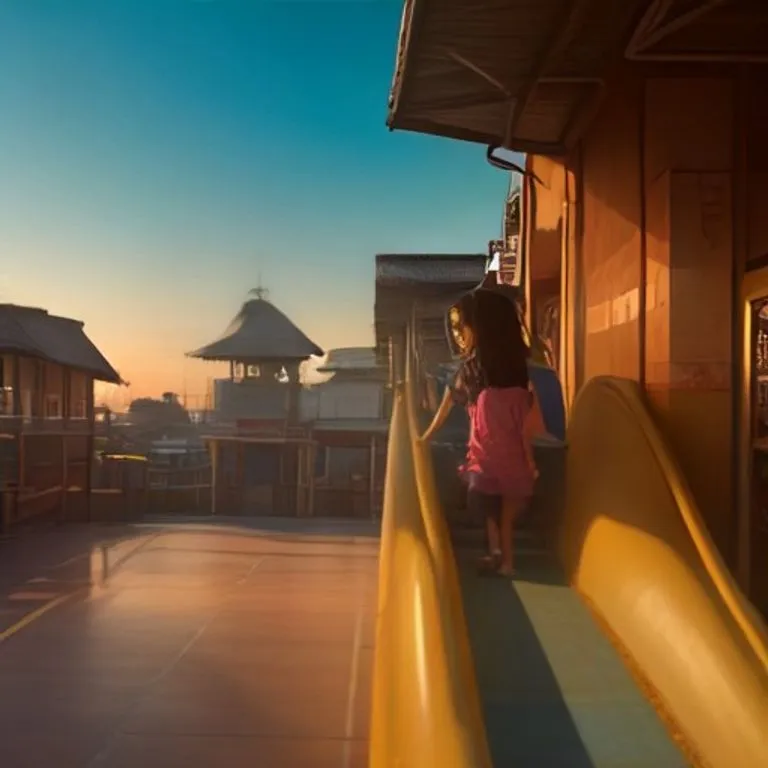
Hello, loyal readers! You're probably no stranger to the term digital nomad, right? Especially since the pandemic, the work from anywhere trend has been booming, and Bali has become one of the favorite havens. Well, this Work from Bali phenomenon isn't just about working while on holiday—it's also giving rise to dedicated digital nomad villages. So, what kind of impact do you think it has on local communities? Let's dive in and explore!
What Are "Work from Bali" Digital Nomad Villages?
Definition and Concept
Digital nomad villages are areas or villages designed to support remote workers. Typically, they feature co-working spaces, cafés with fast Wi-Fi, and comfortable accommodations. In Bali, this concept has grown rapidly, transforming ordinary villages into bustling hubs for remote workers from around the globe.
Why Bali?
Bali has it all: stunning beaches, rich culture, relatively affordable living costs, and a solid internet connection. No wonder so many people choose Bali as their work base. On top of that, the locals are friendly and warm, which makes you feel right at home!
Positive Impacts on Local Communities
A Boost to the Local Economy
The presence of digital nomads clearly drives the village economy. From property rentals, cafés, and restaurants to laundry services—everything is thriving. Many locals are opening new businesses or expanding existing ones to cater to the needs of the nomads.
Cultural Exchange
Digital nomads come from all over the world, making social interactions much richer. Locals get the chance to learn foreign languages, while nomads learn about Balinese customs and culture. This opens everyone's horizons even wider.
Infrastructure Development
To attract digital nomads, villages are also upgrading their public facilities. Roads are being repaired, electricity is more stable, and internet speeds are getting faster. So it's not just digital nomads who benefit—locals get to enjoy better infrastructure too.
Challenges and Negative Impacts to Watch Out For
Gentrification and Rising Prices
There's no denying it—when demand goes up, prices tend to follow. Rent for homes and land becomes more expensive, which can put a strain on local residents. Gentrification is starting to emerge in several areas.
Social Inequality
The higher incomes of digital nomads can create a gap between them and the surrounding community. A more consumer-driven lifestyle can sometimes make locals feel inadequate or even spark social jealousy.
Environmental Sustainability
An increasing number of visitors inevitably takes a toll on the environment. Plastic waste rises, water and electricity usage become more excessive, and uncontrolled development could threaten Bali's natural beauty. We need to be mindful about protecting the environment.
Examples of Digital Nomad Villages in Bali
Canggu, Ubud, and Uluwatu
Some of the most popular villages are Canggu, Ubud, and Uluwatu. Canggu is known for its laid-back vibe and trendy cafés. Ubud offers tranquility and a strong artistic atmosphere. Meanwhile, Uluwatu delights with its stunning cliffs and breathtaking sunrises.
Community Initiatives and Co-living Spaces
In these villages, numerous digital nomad communities and co-living spaces have emerged. They frequently host events like meetups, workshops, or sharing sessions. This strengthens networks among nomads while also fostering closer ties with local residents.
How Is Remote Work Transforming Local Life?
Changing Livelihoods
Many locals who once worked as farmers or fishermen are now shifting toward the tourism and digital services industries. They're picking up new skills such as digital marketing, graphic design, or accommodation management.
Technology Adoption
Interactions with digital nomads are accelerating technology adoption among locals. Many are becoming accustomed to using digital payment apps, social media for promotion, and other online tools.
Tips for Being an Ethical Digital Nomad in Bali
Respecting Culture and Customs
Remember, we're guests in someone else's home. Respect ceremonial traditions, dress modestly when visiting temples, and avoid disrupting local activities. Don't forget to greet people with a smile—that alone goes a long way in creating a comfortable atmosphere.
Supporting Local Businesses
Instead of always heading to chain establishments, try shopping at local warungs. By doing so, you're helping small business owners thrive. Don't hesitate to interact and ask about local products.
Getting Involved in Social Activities
Leave a greater positive impact. For instance, join community clean-up events, teach at a local school, or contribute to social causes. It helps you feel more connected and appreciated.
FAQ (Frequently Asked Questions)
What is a digital nomad?
A digital nomad is someone who works remotely using technology and has the freedom to move from place to place. They can work from anywhere, including Bali.
Is Bali suitable for remote work?
Yes, absolutely. Bali offers complete facilities, fascinating culture, and a large community. There are plenty of co-working spaces and comfortable cafés to work from.
How do I choose a digital nomad village in Bali?
Choose based on your preferences. If you enjoy a lively atmosphere with lots of dining options, Canggu could be your pick. If you prefer peace and nature, try Ubud or Uluwatu. Don't forget to research internet connectivity and accommodation options.
What are the negative impacts of digital nomads?
The negative impacts include rising rental prices, gentrification, social inequality, and environmental pressure. However, with collective awareness, these effects can be minimized.
How can I be a responsible digital nomad?
Be someone who respects local culture, supports local businesses, and takes care of the environment. Engage actively in the community and leave a positive footprint behind.
Well, there you have it—a comprehensive look at the Work from Bali digital nomad villages phenomenon. I hope this article has been helpful and gives you a clearer understanding of its impacts. If you're thinking about trying life as a digital nomad in Bali, make sure you prepare well, okay? See you in the next article!